
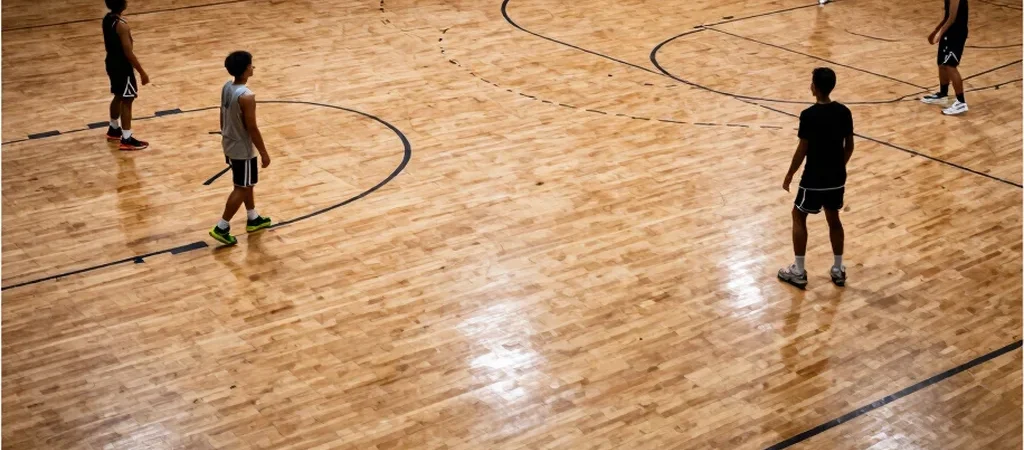
On a weeknight, a community gym can contain several kinds of work at once: a game on the floor, a parent keeping an eye on the clock, and a volunteer gathering stray balls before the next group arrives. The final score matters to the people playing. The place matters to everyone who helped make that game possible.
The Work Around the Game
Youth sports rely on ordinary acts of care: unlocking a door, setting out cones, arranging rides, and staying to clean up. These jobs are easy to miss because they happen at the edge of the action. Taken together, they make participation possible for people who cannot build a season around convenience.
More Than Playing Time
A gym can bring together neighbors who might otherwise share little more than a street or a school district. Players learn how to handle a mistake in front of others; families learn one another’s names in the bleachers. That does not make sport a cure for every community problem. It does give people a reason to show up in the same room.
Keep the Welcome Practical
Community is not created by a banner on the wall. It depends on practical questions: Can a new family understand how to join? Are the rules explained clearly? Is there a way to take part when money, transportation, or time is tight? The answers shape who feels that the gym belongs to them.
A Place Worth Returning To
The strongest sports spaces make room for more than the most talented players. They value the coach who listens, the volunteer who returns next week, and the young person who is still deciding whether they belong. A useful measure of a community program is not only what happens during the game, but who feels welcome enough to come back.